
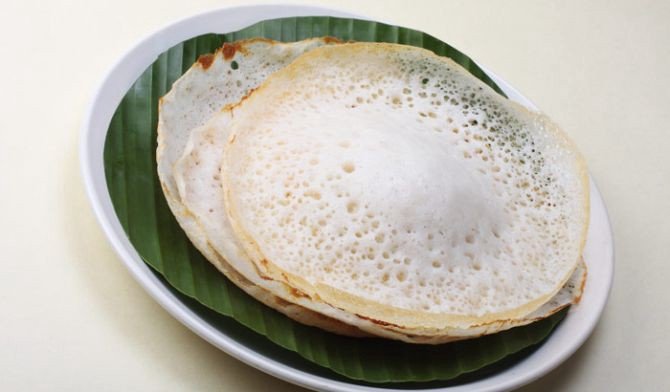
Appam Recipe is a traditional South Indian dish made with fermented rice, cooked rice, coconut milk, and yeast. These soft and fluffy pancakes have delicate lacy edges and a light, airy centre, making them a favourite for breakfast and dinner. Moreover, appam is easy to prepare with simple pantry ingredients and pairs beautifully with vegetable stew, coconut stew, or kurma.
Appam originated in the southern states of Kerala and Tamil Nadu, where it is enjoyed as a comforting everyday meal as well as during festivals and special occasions. Furthermore, the fermentation process gives the batter a mild tangy flavour and creates the signature soft texture that makes appam unique. Whether you are trying South Indian cuisine for the first time or preparing a family breakfast, this authentic Appam Recipe is sure to impress.
Why You Will Love This Appam Recipe
- First, it has soft centres with crispy lacy edges.
- Moreover, it is light, fluffy, and delicious.
- In addition, it is made with simple everyday ingredients.
- Furthermore, it pairs well with both vegetable and coconut-based curries.
- Finally, it is perfect for breakfast, dinner, or festive meals.
Ingredients for Appam Recipe
Makes: 10–12 appams
- 2 cups raw rice, soaked for 6–7 hours
- ½ cup cooked rice
- ⅓ teaspoon active dry yeast
- 2–3 teaspoons sugar
- 1 cup coconut milk (or 1 cup freshly grated coconut)
- Salt to taste
- 1–2 tablespoons oil or ghee
- Water, as required
How to Make Appam Recipe
Step 1: Activate the Yeast
First, combine the active dry yeast, 1 teaspoon sugar, and ⅓ cup warm water in a small bowl.
Next, mix well, cover, and let it rest for about 10 minutes until the yeast becomes frothy.
Step 2: Prepare the Batter
Meanwhile, drain the soaked rice and transfer it to a blender.
Add the cooked rice, coconut milk (or grated coconut), the remaining sugar, and about ½ cup water.
Then, blend everything into a smooth batter.
Transfer the batter to a large bowl. Add salt and the activated yeast mixture. Mix well until fully combined.
Step 3: Ferment the Batter
Cover the bowl and allow the batter to ferment for 3–5 hours, or until it becomes light, airy, and slightly bubbly.
Step 4: Cook the Appam
Heat an appam pan (appachatti) over medium heat and lightly grease it with oil.
Pour one ladleful of batter into the centre of the pan.
Immediately swirl the pan in a circular motion so the batter coats the sides, creating thin lacy edges while leaving the centre slightly thicker.
Cover the pan with a lid and cook on low heat for 2–3 minutes until the centre is soft and fully cooked.
Remove the appam carefully. Repeat the same process with the remaining batter.
Serving Suggestions
- Serve with vegetable stew.
- Pair with coconut milk stew.
- Enjoy with Navratan Kurma.
- Serve with potato stew or mixed vegetable curry.
- Pair with sweetened coconut milk for a traditional breakfast.
Tips for Perfect Appam
- Soak the rice for at least 6 hours for the best texture.
- Moreover, allow the batter to ferment properly for soft appams.
- Use an appam pan to create the signature lacy edges.
- Swirl the batter immediately after pouring it into the pan.
- Cook on low heat and avoid flipping the appam.
Frequently Asked Questions
Can I make appam without yeast?
Yes. You can ferment the batter naturally by allowing it to rest overnight in a warm place, although fermentation may take longer.
Can I use only coconut milk?
Yes. Coconut milk gives appam its traditional flavour and soft texture.
Why are my appams not soft?
The batter may not have fermented enough, or it may be too thick. Make sure the batter is light and slightly pourable before cooking.
Can I store the batter?
Yes. Refrigerate the fermented batter for up to 2 days. Stir gently before making more appams.
Why This Appam Recipe Is Worth Trying
This Appam Recipe brings the authentic flavours of South India to your kitchen with minimal effort. Moreover, the soft centre, delicate lacy edges, and mild coconut flavour make every bite delicious. Whether you serve it with vegetable stew, coconut stew, or kurma, this classic recipe is perfect for everyday meals as well as festive occasions.